


Why Continuing Education Matters in Dog Breeding
Unlike many professions, dog breeding is not a formally regulated field. There is no universal licensing system that requires breeders to complete coursework or maintain continuing education. Because of this, one of the strongest indicators of a responsible breeder is their commitment to ongoing learning.
The science of canine reproduction, genetics, and puppy development is constantly evolving. Ethical breeders recognize that raising healthy, well-adjusted puppies requires more than experience—it requires continual education and collaboration with experts in veterinary medicine, genetics, and behavior.
Responsible Breeders Never Stop Learning
Good breeders actively seek out opportunities to improve their knowledge. This can include:
Attending breeder conferences
Participating in educational seminars and workshops
Learning from reproductive veterinarians and canine geneticists
Studying new research on puppy development and socialization
Networking with other experienced breeders
These educational opportunities help breeders make better breeding decisions, raise healthier puppies, and continually refine their programs.

Industry Conferences and Educational Events
Across the country, breeders gather for educational conferences focused on improving breeding practices and puppy care.
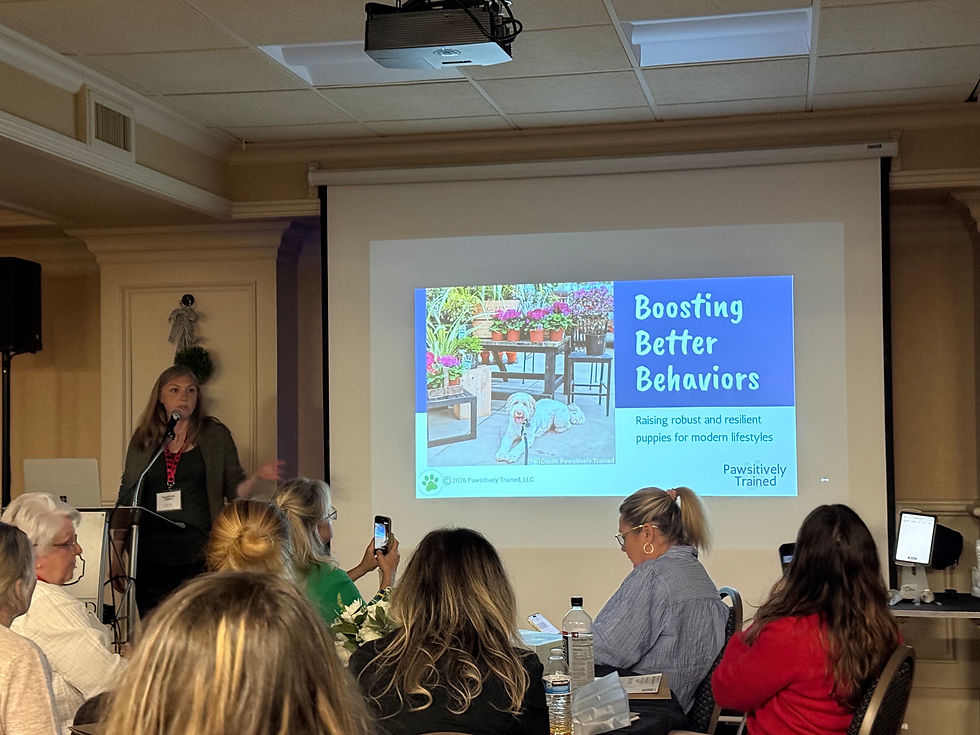
For example, we recently attended the Northwest Doodle Breeder Gathering in Oregon, an event where breeders come together to share knowledge, discuss best practices, and learn from experts in the field. These gatherings allow breeders to exchange ideas about genetics, puppy development, health testing, and responsible breeding practices while building relationships with other serious breeders.
Events like these are incredibly valuable because they encourage collaboration and transparency within the breeding community.

The Role of Breed Organizations
Breed organizations also play an important role in breeder education. One of the most influential organizations in the Australian Labradoodle community is the Australian Labradoodle Association of America (ALAA).
Founded to promote responsible breeding and protect the well-being of the breed, the ALAA provides education, resources, and networking opportunities for breeders around the world.
One of their most respected educational events is the ALAA Breeder Roundtable, which brings together leading experts in canine reproduction, genetics, and puppy development.
Experts Who Teach Breeders
At past ALAA Roundtable events, speakers have included highly respected professionals in veterinary medicine and canine genetics, such as:
Dr. Marty Greer – Veterinarian specializing in canine reproduction and neonatology
Dr. Carmen Battaglia – Renowned canine researcher and AKC judge known for work on structure and breed standards
Dr. Jessica Hekman – Veterinary researcher studying canine genetics and behavior
Dr. Gerald Bell – Expert in genetic disease control and pedigree analysis
Myra Savant Harris – Internationally known educator on canine reproduction and neonatal care
Jane Killion – Founder of the Puppy Culture early development program
These experts present on topics ranging from genetics and pedigree analysis to neonatal puppy care, reproductive health, and responsible breeding strategies.
Why This Matters for Puppy Buyers
When choosing a breeder, it’s worth asking questions like:
Do they participate in breeder education or conferences?
Are they involved in breed organizations?
Do they stay updated on reproductive health and puppy development?
Breeders who invest in continuing education are showing that they care about improving their dogs and their program over time.
A Commitment to Better Dogs
At Elite Blend Labradoodles, we believe that responsible breeding requires a lifelong commitment to learning. That’s why we actively participate in breeder education events like the Northwest Doodle Conference and take advantage of the educational opportunities offered by organizations like the ALAA.
The goal is always the same:healthier dogs, better temperaments, and puppies that are well prepared for family life.
Great breeding programs aren’t built on guesswork—they’re built on knowledge, collaboration, and a commitment to always learning more.


Comments